Whoa! This wallet is slick. I mean, really—Phantom hits that sweet spot between usability and power for everyday Solana use. At first glance it just looks like another extension, though actually there’s a lot happening under the hood that matters if you care about security and UX. My instinct said "grab it and go," but then I started poking at permissions and things got interesting.
Okay, so check this out—Phantom started as a clean, user-friendly Solana wallet that plugs into your browser. It makes sending SOL and SPL tokens straightforward, and interacting with dApps feels effortless. But, somethin' felt off the first time I installed a random build—wrong icon, strange permissions—so I dug deeper. Initially I thought all extensions in the store were equal, but then realized that fake copies circulate, especially during big NFT drops or DeFi events.
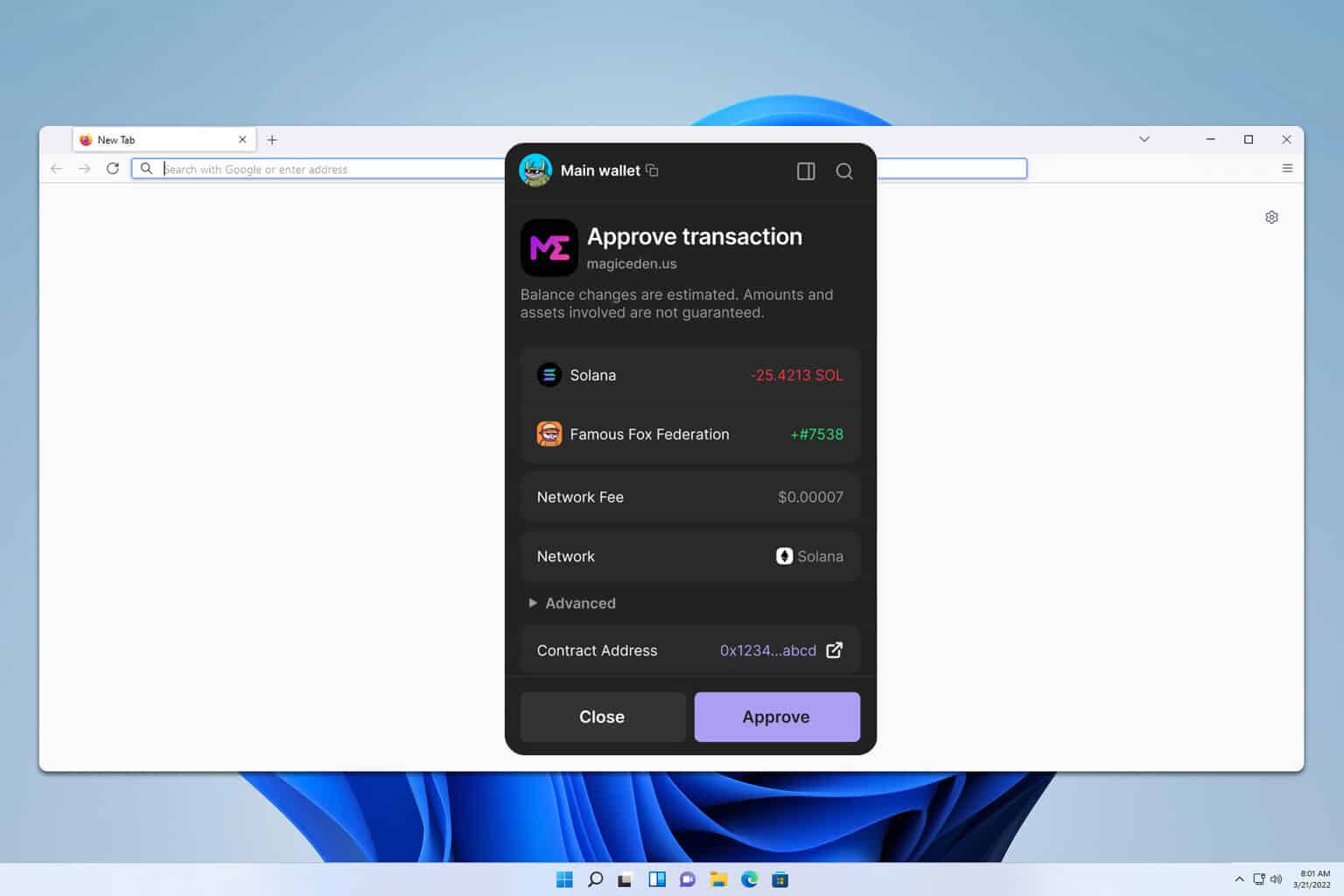
Here’s what matters most: verify authenticity, back up your seed phrase, and be careful about which sites you approve for wallet access. Really? Yes. Approving every transaction without reading it is how people lose funds. On one hand Phantom streamlines the flow from site to signing, though actually that convenience is also its biggest risk vector if users get sloppy.
How to tell the legit Phantom from the impostors: check the publisher, review ratings over time, and confirm the UI matches the official design—tiny details betray a fake. I'm biased, but I always compare the extension page with screenshots from Phantom's official channels before I click install. Also, if something prompts you to paste your seed phrase into a webpage, stop immediately—no legit extension will ever ask for that through a random site.
Downloading the Extension Safely
If you want the extension, the easiest safe route is to get it from a trusted source. Consider using the official channels listed on Phantom's main site and the browser’s extension store, and if you want a direct pointer, I recommend checking this link for the phantom wallet download extension as a starting place—but use caution and cross-check with the official Phantom website before proceeding. Seriously? Yes—double-checking is worth two-factor security in practice.
Installation itself is quick: add to your browser, create a password, and write down the 12-word recovery phrase. Don’t screenshot it. Don’t cloud-sync it. Write it down on paper and tuck it away. My instinct said "backup to cloud" for convenience, but then I remembered stories of compromised accounts—so no, not worth it.
What trips people up is permissions and connected sites. When a dApp asks to connect, you'll see a prompt; take a breath, check the domain, and read the request. Approve only the specific things you expect to approve. On one hand you want frictionless UX for trading and swapping; though actually, gating yourself with careful approvals prevents costly mistakes.
There are mobile versions too—Phantom has an app that syncs differently than the extension. If you use both, think about which device you trust more. For me the phone is for quick checks and the desktop is where I do anything that matters. That's a personal preference, of course.
How Phantom Works With dApps and NFTs
Phantom injects a Solana provider into your browser, letting sites request signatures and wallet info. Hmm... that sounds geeky, and it is, but the real takeaway is how streamlined the experience gets. Transactions are fast and fees are tiny compared to some chains, and the wallet shows token balances, NFTs, and staking options right in the UI.
That said, interactions with smart contracts can be subtle. Some sites will request "Approve all" permissions which allow repeated token spends without asking each time. Wow—avoid that, unless you trust the contract completely. I'm not 100% sure about every dApp out there, so default to caution: approve only what's necessary.
Also, Phantom supports hardware wallets. If you're moving significant funds, linking a hardware key is one of the best defenses against browser-based compromises. Initially I thought hardware wallets were overkill for small balances, but after a close call with a browser exploit, I moved the bulk to cold storage. It's worth it, very very worth it.
One more nuance: many users confuse "connected" with "trusted." Connected simply means the site can see your wallet address; trusted means you allow transactions. Keep those definitions separate in your head and in practice.
Common Mistakes and How to Avoid Them
Here's what bugs me about how folks treat crypto security: they undervalue the recovery phrase. If you lose it, support can’t help. Yes, really—no central bank, no password reset. So label and store that phrase like it's a legal document.
Another frequent error is falling for fake extensions or phishing pages that mimic wallet UIs. The trick: check the URL bar carefully, and if a popup asks for your secret phrase, that's a scam. My instinct shouted at me during a phishing attempt once—good instincts saved me. Trust your gut; it’s often right.
People also swing between two extremes: paranoia or recklessness. On one hand, obsessing over minutiae can paralyze you; on the other, ignoring basic practices is how you get burned. Aim for practical security—simple habits that block the most common attacks.
FAQ
Is the Phantom app the same as the browser extension?
The app and the extension serve the same wallet function but are optimized for different use-cases: mobile convenience versus desktop dApp interaction. You can use both, but treat each device with separate security consideration—don’t reuse insecure storage methods across them.
Okay, final thought—if you’re getting into Solana, Phantom is a great gateway. It makes the day-to-day stuff simple without being dumbed-down. That said, stay skeptical, read prompts, and never share your seed. I'm biased toward low-friction tools, but I still respect the old-school cautions. This feels different than early crypto wallets—cleaner, friendlier, and a lot faster—though it demands the same basic care we've always needed.